Myth-Busting Baking Techniques: Expert Insights from Kee Creates


Introduction to Baking Myths
In the world of baking, myths abound. From the perfect way to measure flour to the secret of the flakiest pie crust, many techniques are passed down without question. Kee Creates, a renowned pastry chef, is here to debunk some of these common baking myths and provide expert insights that can transform your baking game.
The Myth of Room Temperature Ingredients
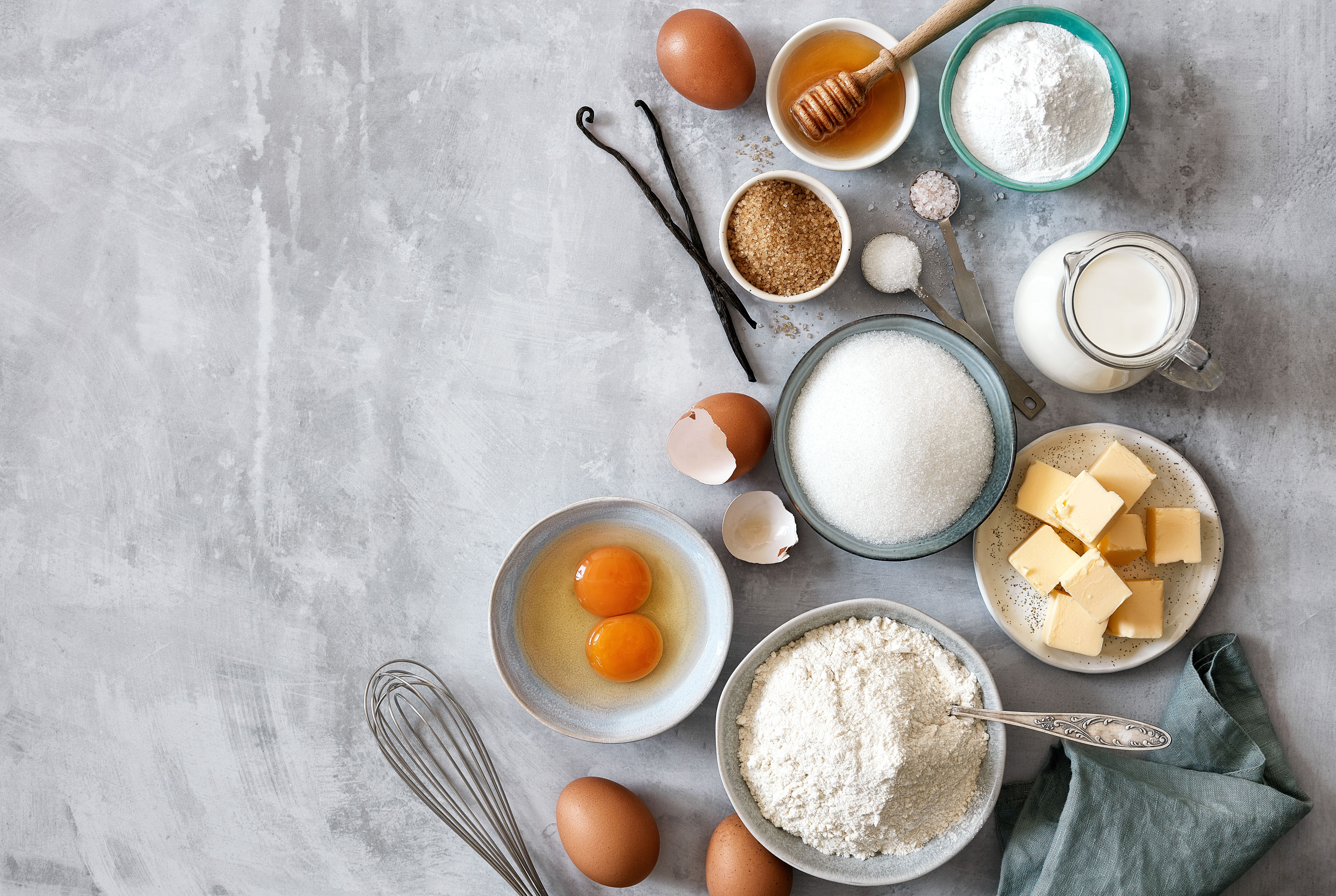
One of the most pervasive myths in baking is that all ingredients must be at room temperature. While it's true that certain recipes, like cakes and cookies, benefit from room temperature ingredients to ensure even mixing, it's not a hard and fast rule. For instance, pie crusts and biscuits actually benefit from cold ingredients, which help create a flakier texture.
Understanding When It Matters
It's essential to know when room temperature ingredients are crucial. For recipes requiring creaming butter and sugar, room temperature butter allows for better air incorporation, leading to a lighter texture. However, in recipes like scones, using cold butter can create steam pockets, resulting in a tender crumb.
Sifting Flour: Is It Always Necessary?
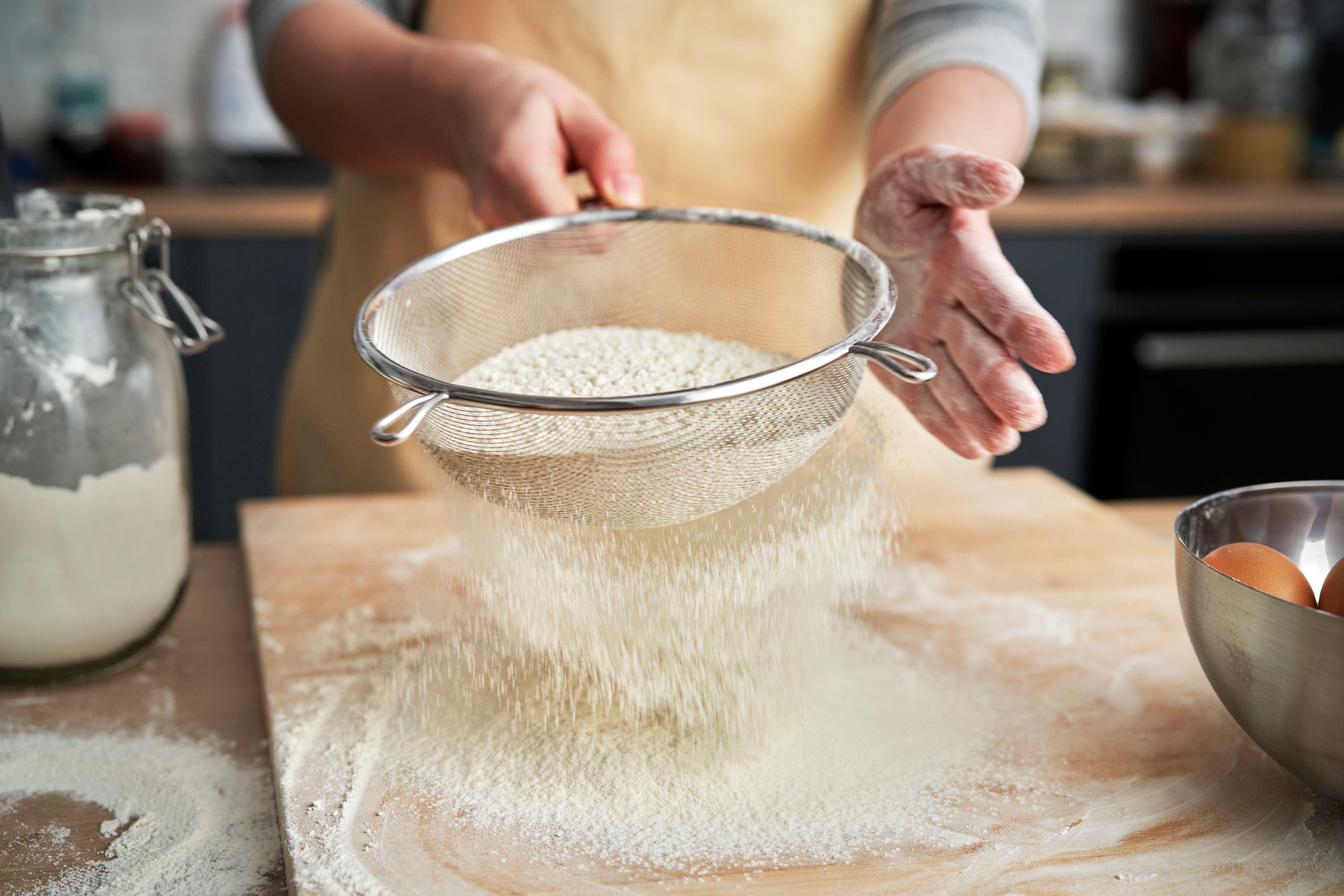
Sifting flour was a staple in older recipes, but is it really necessary today? Kee Creates advises that while sifting can remove lumps and aerate the flour, most modern flours are pre-sifted, making this step optional for many baked goods. However, for delicate cakes like chiffon or angel food, sifting can still be beneficial.
Alternatives to Sifting
If you're short on time, simply whisking the flour can achieve similar results. This quick method breaks up any clumps and mixes the baking powder or baking soda evenly throughout the flour, ensuring a consistent rise.
The Truth About Baking Soda and Baking Powder
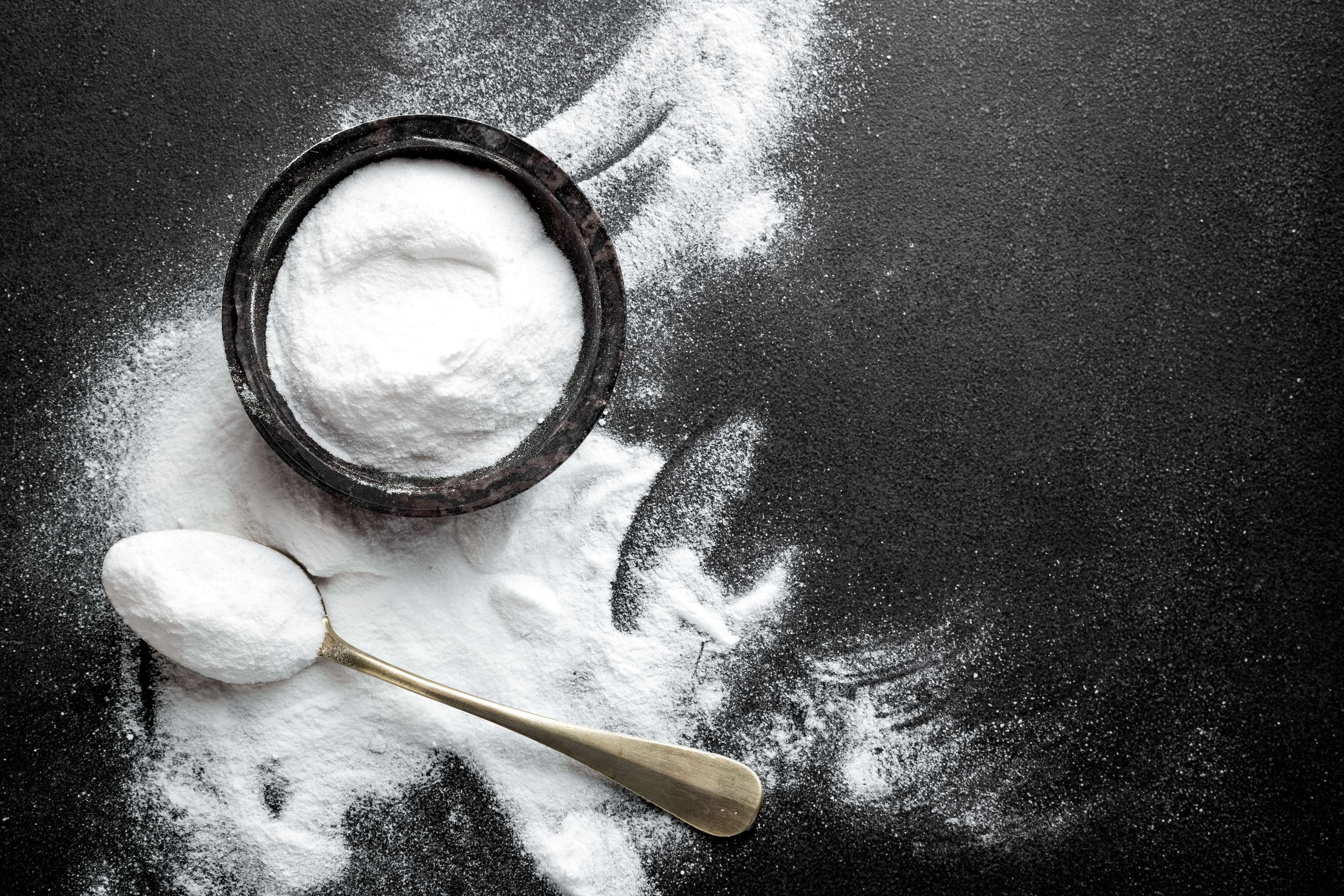
Many home bakers confuse baking soda with baking powder, often using them interchangeably. However, Kee Creates clarifies that they serve different purposes. Baking soda requires an acid to activate, while baking powder contains both an acid and a base, allowing it to work independently.
Proper Usage for Optimal Results
Understanding the role of each can prevent common baking mishaps. For cookies, using baking soda can help spread and brown the dough, while baking powder is great for cakes that need a good rise without spreading too much.
Egg Size and Its Impact
Another common myth is that egg size doesn't matter. Kee Creates emphasizes that egg size can significantly impact the moisture and structure of your baked goods. Most recipes are developed using large eggs, and using a different size can alter the outcome.
Adjusting for Different Egg Sizes
If you find yourself with a different egg size, adjust accordingly. For instance, if a recipe calls for two large eggs and you only have medium, consider adding an extra egg to compensate for the weight difference.
By debunking these baking myths, Kee Creates empowers bakers to approach their craft with confidence and understanding. Whether you’re a novice or experienced baker, these insights can help you achieve better results in the kitchen.