From Farm to Table: Latest Food Trends You Need to Know


Embracing the Farm-to-Table Movement
The farm-to-table concept has gained massive popularity as consumers become more conscious about where their food comes from. This movement emphasizes sourcing ingredients directly from local farms, ensuring freshness and supporting sustainable practices. By fostering a closer relationship between producers and consumers, it offers a more transparent and trustworthy food system.

Organic and Sustainable Farming
Organic farming practices are at the heart of the farm-to-table trend. These methods avoid synthetic fertilizers and pesticides, focusing instead on natural processes. Sustainable farming ensures that food production does not harm the environment, promoting biodiversity and soil health. Many consumers are willing to pay a premium for products that carry organic and sustainability certifications.
In addition to organic produce, there is a growing interest in regenerative agriculture. This approach goes beyond sustainability, aiming to restore and improve the ecosystems through farming practices. It’s about leaving the land better than it was found, creating a positive impact on the environment.
Locally Sourced Ingredients
Another key aspect of the farm-to-table movement is the emphasis on locally sourced ingredients. By buying local, consumers can enjoy fresher produce with a reduced carbon footprint. This not only supports local economies but also connects communities with their food sources.
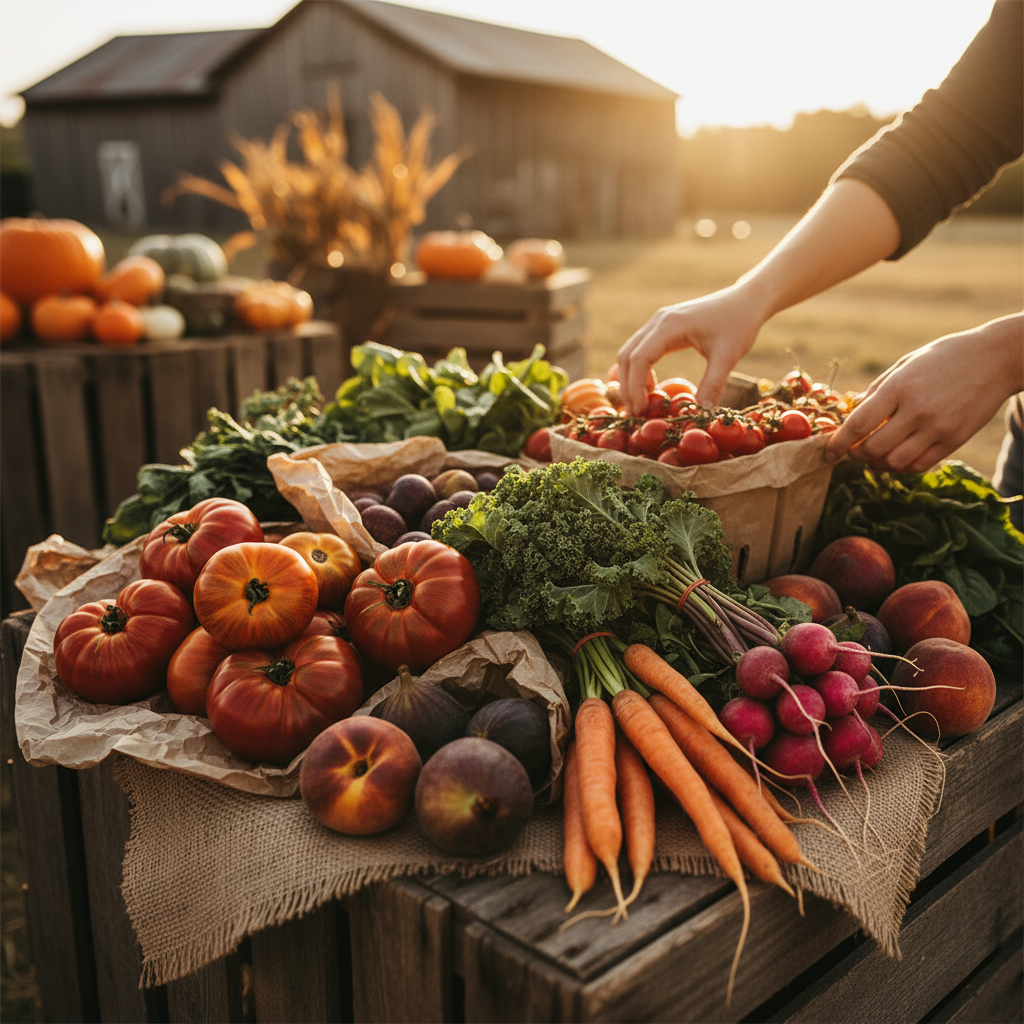
Restaurants and chefs are increasingly highlighting the origins of their ingredients on menus, showcasing the farms and farmers responsible for the food. This transparency builds trust and loyalty among diners, who appreciate knowing the story behind their meals.
Seasonal Eating
Eating with the seasons is a fundamental principle of the farm-to-table philosophy. By focusing on seasonal ingredients, consumers enjoy produce at its peak flavor and nutritional value. This approach also supports local agriculture, as farmers can sell their harvests when they are most abundant.
Seasonal menus not only offer variety but also encourage creativity in the kitchen. Chefs and home cooks alike are inspired to experiment with ingredients they might not otherwise use, leading to exciting culinary discoveries.
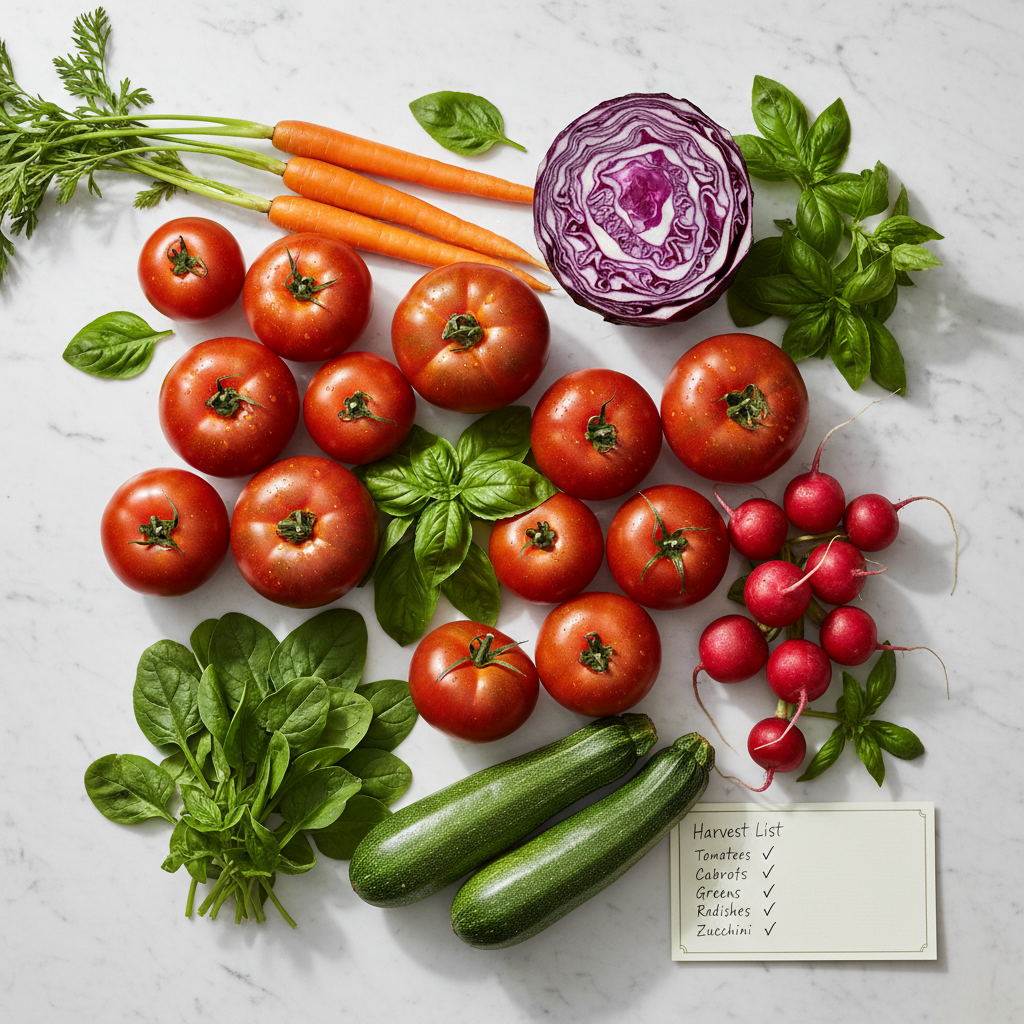
Innovative Culinary Experiences
Farm-to-table dining is not just about food; it’s about creating unique culinary experiences. Many restaurants offer farm tours or host events where diners can meet the producers and learn about the journey of their meal from farm to plate.
- Farm dinners in picturesque settings
- Cooking classes focused on local ingredients
- Food festivals celebrating regional produce
These experiences foster a deeper appreciation for fresh, high-quality ingredients and the effort that goes into producing them.
The Future of Farm-to-Table
As the farm-to-table trend continues to grow, technology is playing a significant role in its evolution. Digital platforms help connect farmers with consumers, making it easier to access fresh, local produce. Innovations in logistics and distribution are also improving the efficiency of farm-to-table supply chains.
Looking ahead, the movement is expected to expand, with more emphasis on sustainability and community engagement. As consumers become even more informed and conscientious, the demand for transparency and ethical food sourcing will likely continue to rise.