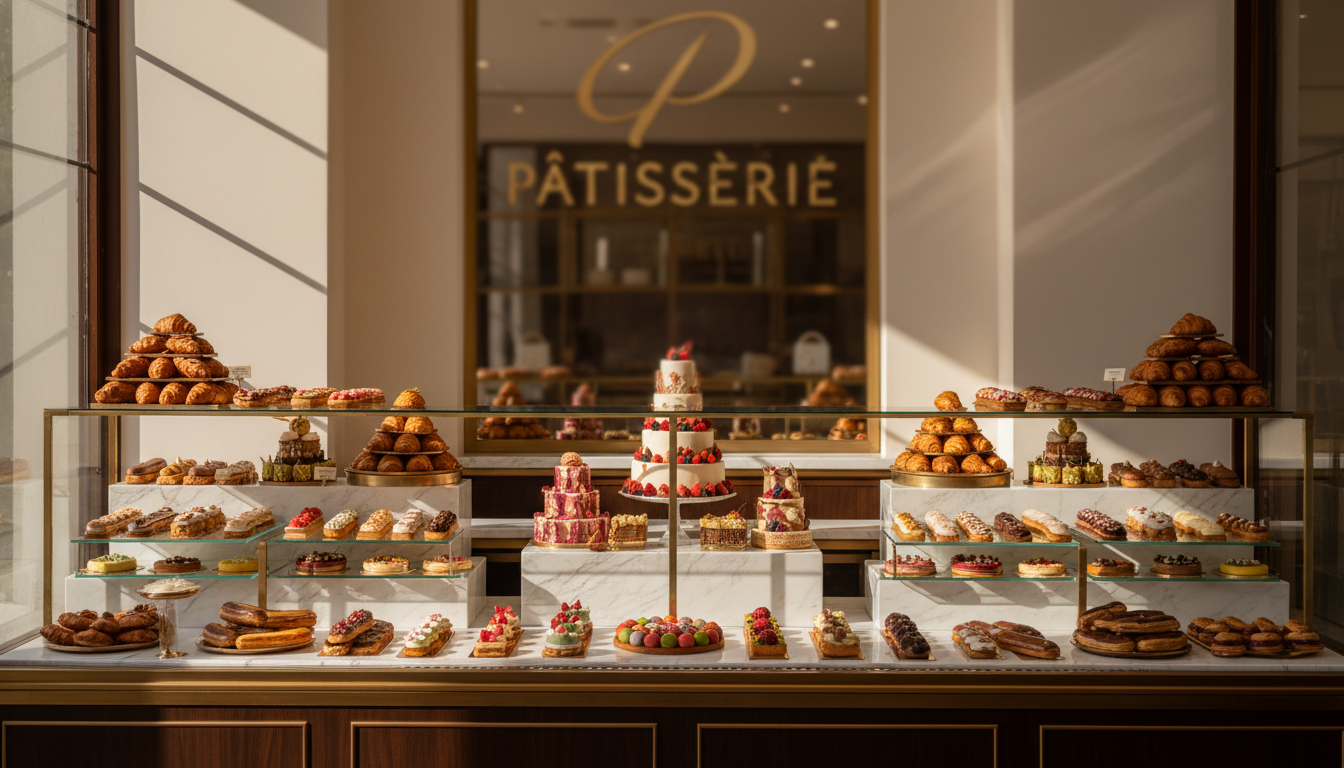
DIY Baking Tips from Kee Creates: Perfect Your Pastries


Understanding Your Ingredients
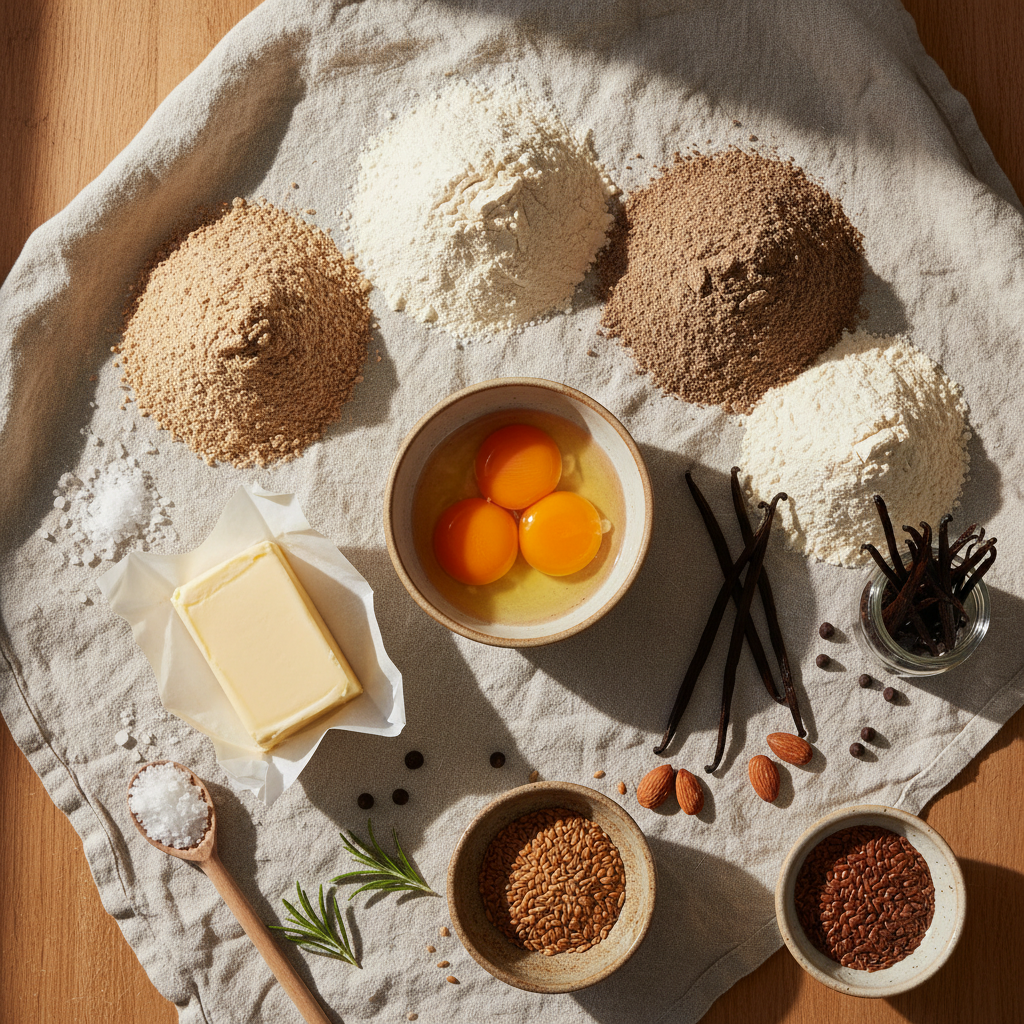
Every successful baking endeavor starts with a deep understanding of the ingredients. Flour, sugar, butter, and eggs are the foundation of most pastries. Knowing how each ingredient works will help you troubleshoot any issues that arise. For example, flour provides structure, while sugar adds sweetness and helps with browning.
When it comes to butter, using unsalted butter gives you control over the salt content in your recipe. Eggs, on the other hand, contribute to the texture and richness of your pastries, so using fresh, high-quality eggs is crucial.
Choosing the Right Flour
Flour can be tricky, as different types have different protein contents, affecting your pastry's texture. For tender pastries, opt for pastry flour or cake flour, which have lower protein content. If you’re looking to add more structure, all-purpose flour can be a suitable choice.
Mastering the Art of Dough
Creating the perfect dough is an art. The key is to keep your ingredients cold. Cold butter and chilled water help create flaky layers. When mixing, be gentle to avoid overworking the dough, which can lead to tough textures.
Another tip is to let the dough rest. This helps the gluten relax, making it easier to roll out and shape. Resting also allows the flavors to meld together, enhancing the overall taste of your pastries.
Perfecting Pastry Techniques
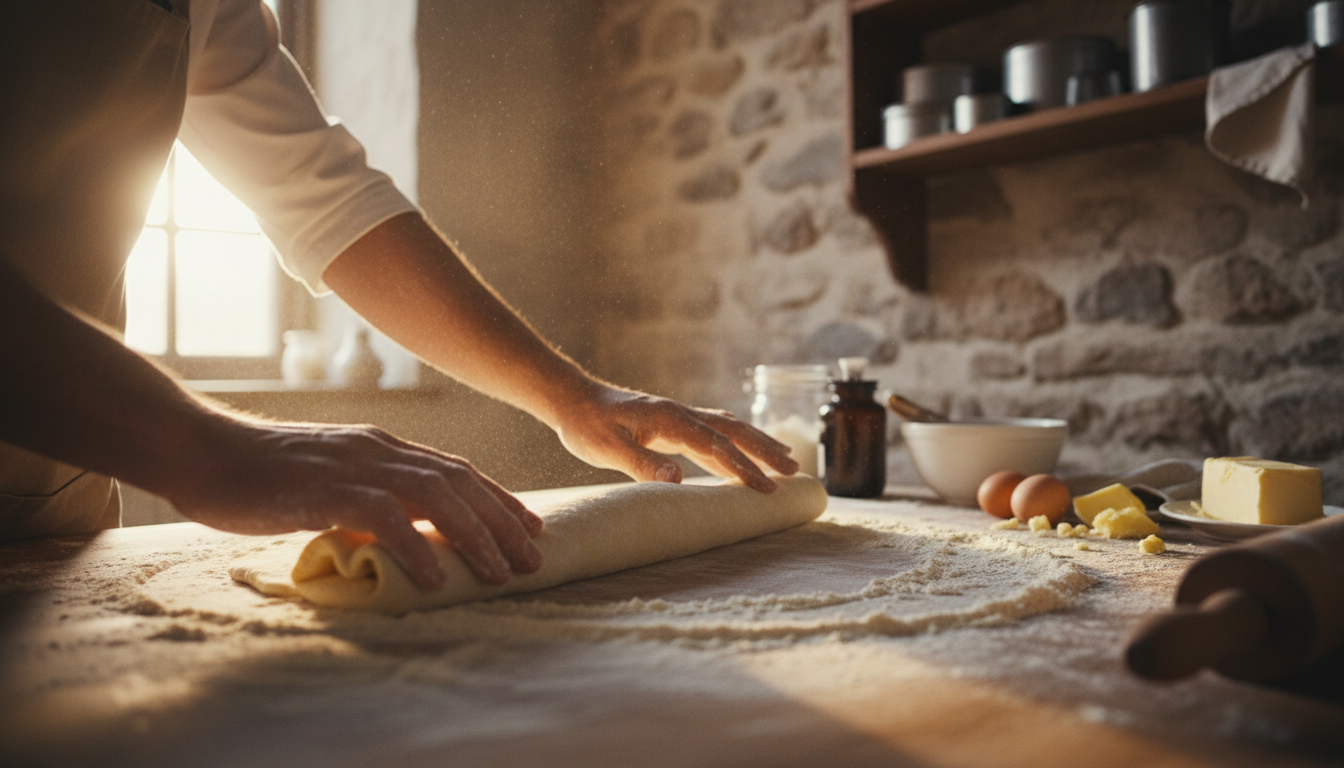
When it comes to rolling out dough, dust your work surface lightly with flour to prevent sticking. Use even pressure to roll from the center outward. Rotate the dough frequently to ensure even thickness.
Baking with Precision
Precision is key when baking. Investing in a kitchen scale can make a significant difference, as it provides more accuracy than measuring cups. Additionally, always preheat your oven to the correct temperature before baking. This ensures even cooking and helps achieve the desired texture.
Timing is Everything
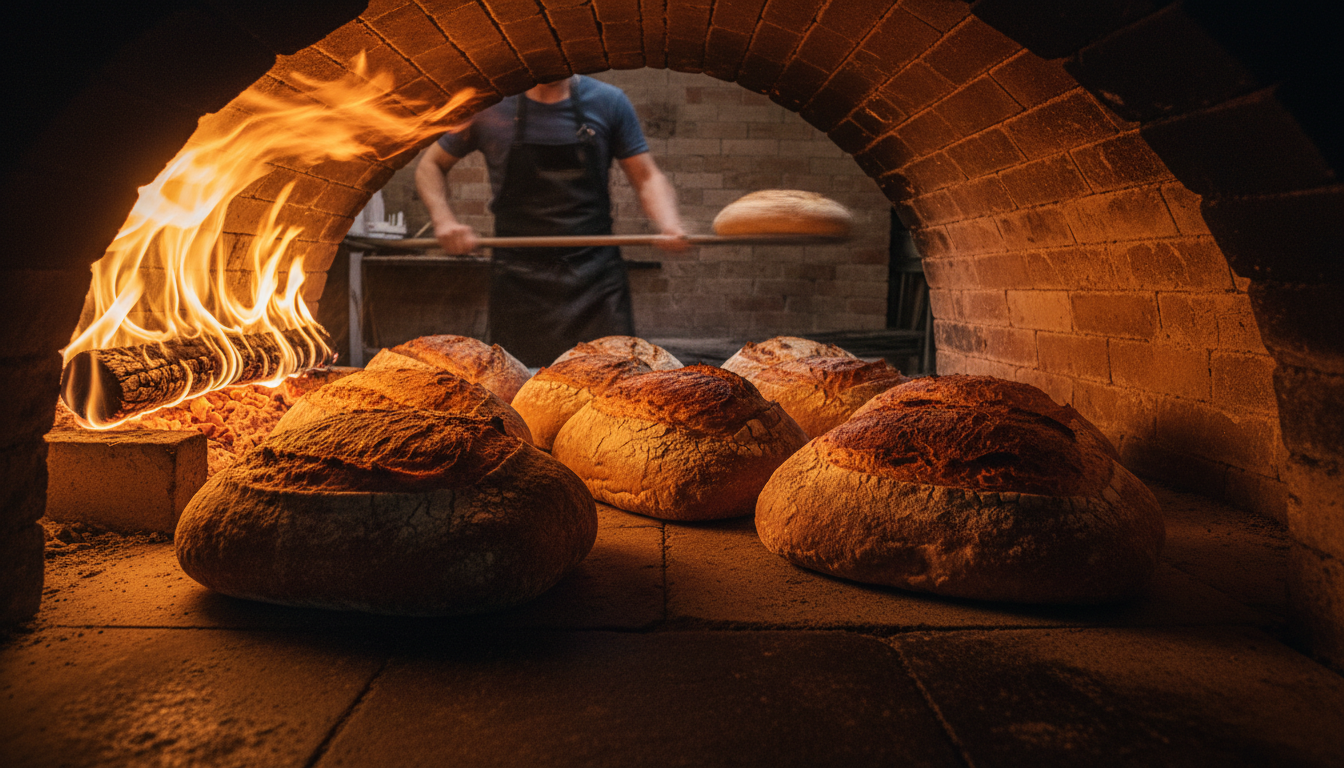
Keep a close eye on your pastries as they bake. Slight variations in oven temperature can affect the final product. Using a timer can help, but also rely on visual and scent cues, such as a golden-brown color and a fragrant aroma, to determine doneness.
Finishing Touches
Once your pastries are out of the oven, let them cool on a wire rack. This prevents them from becoming soggy. For an extra touch of flavor, consider glazing or dusting your pastries with powdered sugar or cocoa powder.
Presentation is also important. A simple garnish, like fresh berries or mint leaves, can elevate the look of your pastries, making them not only delicious but also visually appealing.