Debunking Myths About Traditional American Cuisine


Introduction to Traditional American Cuisine
Traditional American cuisine is often misunderstood, with many myths clouding its rich and diverse history. From the origins of classic dishes to the ingredients used, there are numerous misconceptions that deserve to be debunked. In this post, we’ll explore some of these myths and shed light on the true nature of American culinary traditions.
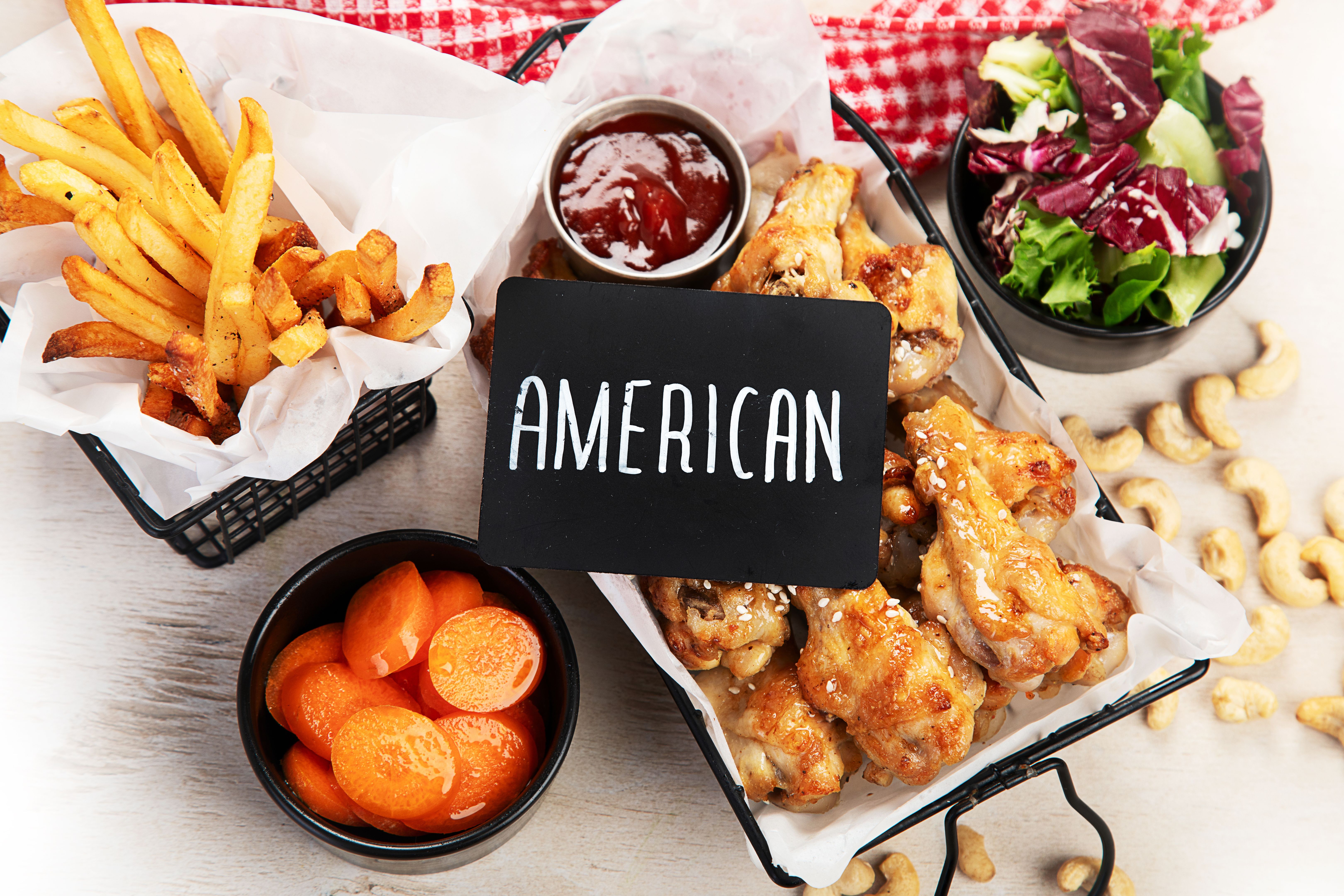
Myth 1: American Cuisine Lacks Diversity
One of the most prevalent myths is that American cuisine is monotone and lacks diversity. However, the reality is that American food is a melting pot, influenced by a variety of cultures. From the spicy flavors of Cajun and Creole cuisine to the hearty dishes of the Midwest, there’s an incredible range of tastes and styles.
Regional Varieties
Each region in the United States boasts its unique culinary identity. For example:
- The South is famous for its comfort food, like fried chicken and collard greens.
- The Northeast offers seafood delicacies, such as lobster rolls and clam chowder.
- The Southwest brings a fusion of Mexican and American flavors, evident in dishes like Tex-Mex tacos.

Myth 2: American Food Is Unhealthy
Another common misconception is that American food is inherently unhealthy. While fast food is a well-known aspect of American culture, it doesn’t represent the entirety of American cuisine. Many traditional dishes are rooted in wholesome, locally sourced ingredients.
Focus on Fresh and Local
American cuisine has a strong emphasis on fresh produce and farm-to-table practices. Farmers' markets are a staple across the country, offering a bounty of seasonal fruits and vegetables. Additionally, dishes like grilled salmon, roasted vegetables, and fresh salads are widely enjoyed.
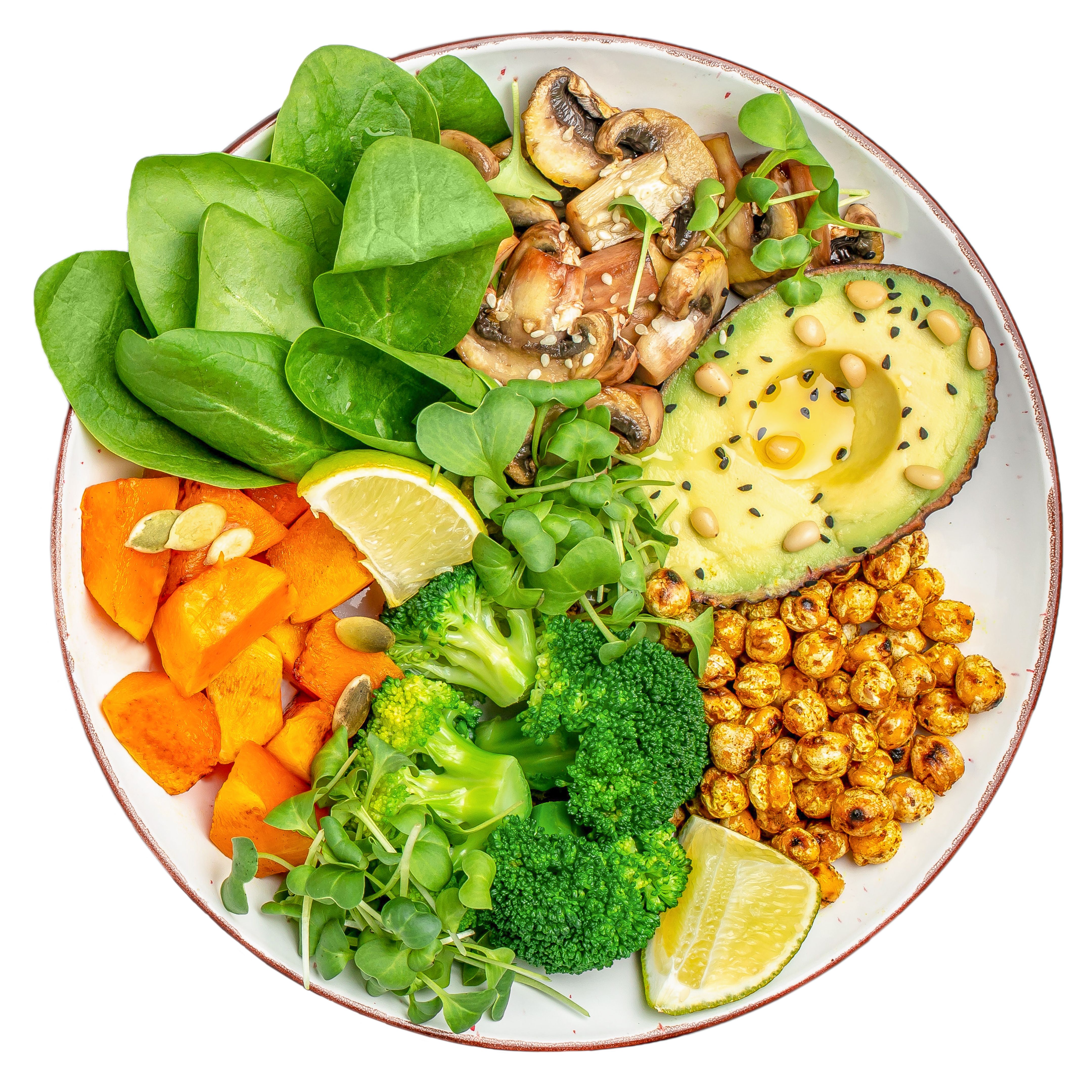
Myth 3: American Cuisine Is New and Unhistorical
Some believe that American cuisine lacks historical depth. Contrary to this belief, many American dishes have a rich history and have evolved over centuries. The influence of Native American, African, European, and Asian cuisines has played a significant role in shaping what we now recognize as traditional American food.
Historical Influences
For instance, cornbread and succotash have roots in Native American culinary practices, while jambalaya showcases the fusion of French, Spanish, and African influences. This historical tapestry is what makes American cuisine truly unique.
Conclusion: Celebrating the Truth About American Cuisine
Debunking these myths allows us to appreciate the vast and varied world of traditional American cuisine. By embracing its diversity, health-conscious options, and historical depth, we can celebrate the true essence of American food culture. Next time you sit down for a meal, take a moment to savor the rich history and flavors that have come together to create what’s on your plate.