Debunking Baking Myths: Common Mistakes and How to Avoid Them


Understanding Baking Myths
Baking is both an art and a science. While it can be a rewarding experience, it can also be riddled with misconceptions that lead to common mistakes. Let's debunk some of these baking myths and learn how to avoid them for better results.
Many believe that baking is simply about following recipes to the letter. However, understanding the techniques and ingredients is crucial. This knowledge helps you adapt to different conditions, such as humidity or altitude changes.
Myth 1: Always Stick to the Recipe
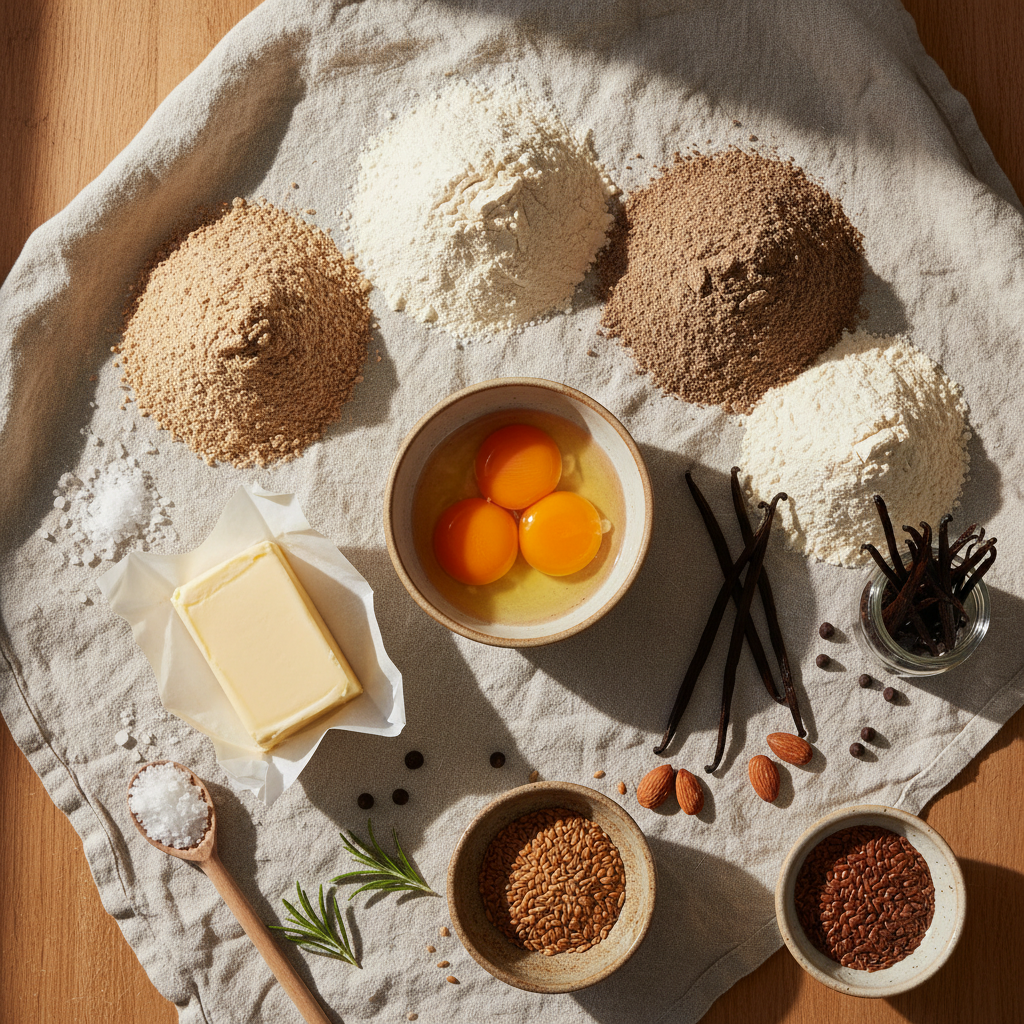
One of the most common myths is that recipes should be followed exactly. While precision is important, flexibility is key. If you understand the role of each ingredient, you can make adjustments. For example, if you prefer a denser cake, you might reduce the baking powder slightly.
Experimenting with flavors and textures can lead to delicious discoveries. However, always make small changes and keep notes, so you can replicate your successes or learn from any mishaps.
How to Adapt Recipes
Here are some tips to adapt recipes successfully:
- Understand ingredient roles: Know how leavening agents, fats, and liquids affect texture.
- Adjust for taste: Add spices or extracts as per preference.
- Consider dietary needs: Substitute ingredients like flour or sugar thoughtfully.
Myth 2: Fresh Ingredients Are Always Best
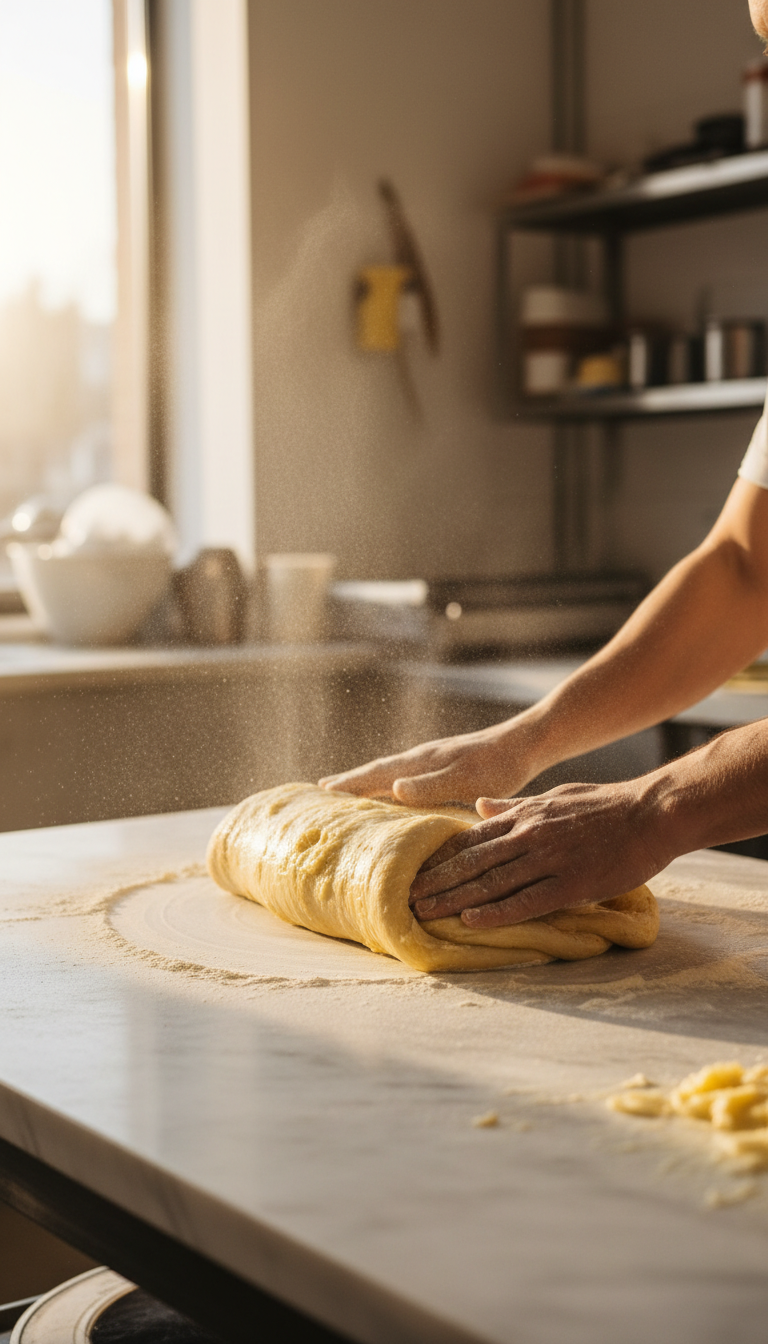
While fresh ingredients are often ideal, they are not always necessary. For instance, aged eggs can be better for baking as they whip up more easily. Similarly, frozen fruits can be as good as fresh ones for certain recipes, like pies, where their firmness is an advantage.
Understanding when to use fresh versus preserved ingredients can enhance your baking outcomes. It’s all about knowing what works best for each specific recipe.
Choosing the Right Ingredients
Consider these factors when selecting ingredients:
- Recipe requirements: Some recipes may specify fresh or preserved for a reason.
- Seasonal availability: Use what's in season, or opt for preserved alternatives.
- Quality over freshness: Sometimes, quality matters more than whether an ingredient is fresh.
Myth 3: Baking Temperatures Are Absolute
Another myth is the rigidity of baking temperatures. Ovens can vary, and a recipe’s suggested temperature might not be perfect for yours. It’s essential to understand your oven’s quirks and adjust accordingly. An oven thermometer can be a useful tool to ensure accuracy.
Additionally, the position of your rack can impact the bake. A recipe might not specify this, but generally, the middle rack is ideal unless otherwise stated.
Ensuring Even Baking
Follow these tips to ensure even baking:
- Use an oven thermometer to confirm the temperature.
- Rotate your pans halfway through baking.
- Adjust racks as needed for different recipes.
By debunking these baking myths and understanding the nuances of baking, you can improve your skills and enjoy more successful outcomes in the kitchen. Remember, the key to becoming a better baker is a combination of science, creativity, and a willingness to learn from every bake.