Beginner's Guide to Creating a Successful Cooking Blog


Getting Started: Define Your Niche
Before diving into the world of cooking blogs, it's essential to define your niche. A clear focus will help you stand out in the crowded food blogging space. Consider what type of cuisine or cooking style excites you the most. Whether it's vegan recipes, quick meals for busy families, or gourmet desserts, having a specific niche will attract a dedicated audience.
Additionally, think about what makes your perspective unique. Are you a professional chef, a self-taught cook, or someone who loves experimenting with fusion flavors? Highlighting your unique angle will make your blog more relatable and engaging.

Setting Up Your Cooking Blog
Once you've identified your niche, it's time to set up your blog. Choose a platform that suits your needs and budget. Popular options include WordPress, Squarespace, and Blogger. Ensure the platform is user-friendly and offers customization options to reflect your brand identity.
Next, select a memorable domain name that reflects your niche and is easy to spell. Your blog's design should be clean and visually appealing, with easy navigation to keep readers engaged and encourage them to explore more of your content.
Creating Compelling Content
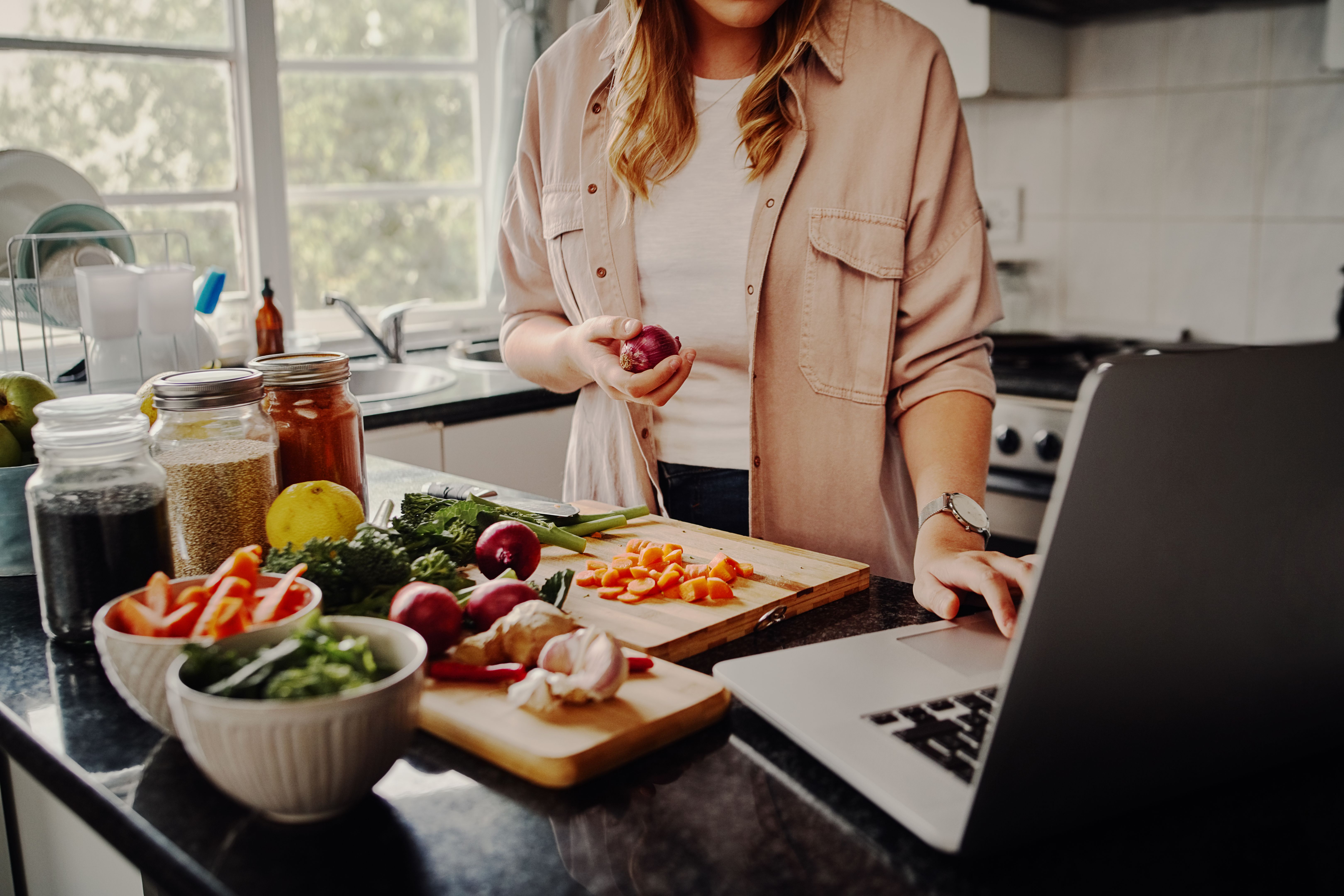
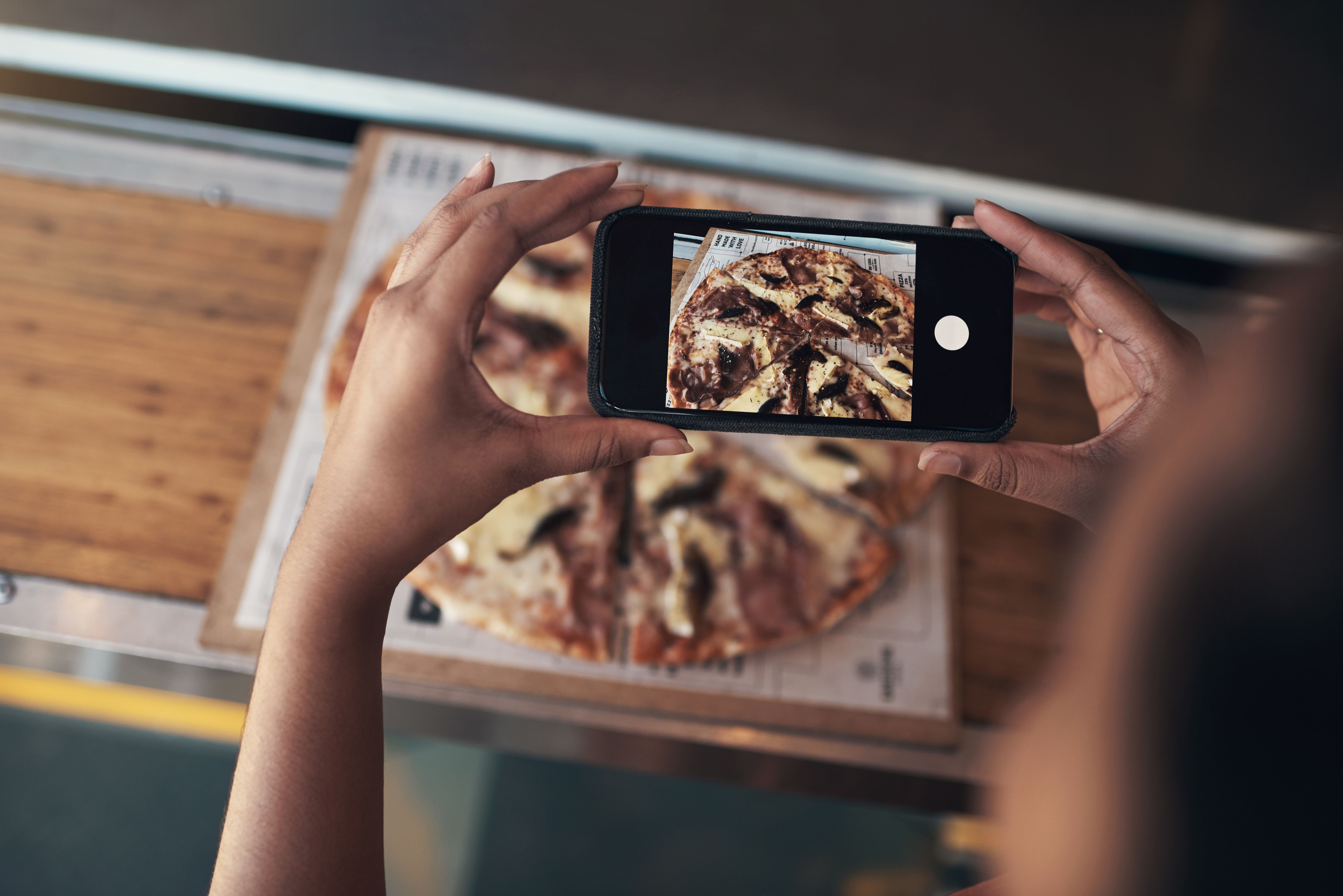
Content is king in the blogging world, and it's no different for cooking blogs. Start by brainstorming a list of potential topics. Consider seasonal recipes, cooking tips, and behind-the-scenes looks at your kitchen adventures. Remember to include high-quality images and step-by-step instructions to make your recipes easy to follow.
Engage your audience by sharing personal stories related to your recipes. This connection can turn casual readers into loyal followers. Consistency in posting is also crucial, so develop a content calendar to keep your blog fresh and up-to-date.
Optimizing for SEO
Search Engine Optimization (SEO) is vital for increasing your blog's visibility. Start by researching relevant keywords related to your niche and incorporate them naturally into your blog posts. Use descriptive titles, meta descriptions, and alt tags for images to enhance your SEO efforts.
Building backlinks from reputable sites can also boost your search rankings. Collaborate with other bloggers, participate in food blogging communities, and guest post on related websites to increase your blog's reach.

Promoting Your Cooking Blog
Promotion is key to growing your audience. Utilize social media platforms like Instagram, Pinterest, and Facebook to share your recipes and blog posts. Engaging with your audience through comments and messages can help build a loyal community around your blog.
Consider joining food blogging forums and attending culinary events to network with fellow bloggers and food enthusiasts. Collaborations and partnerships can expand your reach and introduce your blog to new audiences.
Monetizing Your Cooking Blog
Once your blog gains traction, you may want to explore monetization options. Common methods include sponsored posts, affiliate marketing, and selling digital products like e-cookbooks. Displaying ads through platforms like Google AdSense can also provide a steady income stream.
It's important to balance monetization with quality content. Always prioritize your readers' experience and ensure that any monetization efforts align with your blog's values and niche.

Engaging with Your Audience
Building a successful cooking blog goes beyond sharing recipes; it's about creating a community. Encourage reader interaction by asking for feedback and encouraging comments on your posts. Hosting giveaways or cooking challenges can also increase engagement and foster a sense of community.
Consider starting a newsletter to keep your audience updated with your latest content, exclusive recipes, and special announcements. This direct line of communication can strengthen your connection with your readers.
Continuously Improving
Finally, always strive for improvement. Analyze your blog's performance using analytics tools to understand what content resonates most with your audience. Stay updated with the latest food trends and blogging techniques to keep your content fresh and relevant.
Never stop learning and experimenting in the kitchen. Your passion and dedication will shine through your blog, inspiring others to join you on your culinary journey.