Baking Myths Busted: Separating Fact from Fiction in the Kitchen


The Science Behind Baking
Baking is both an art and a science, and with that comes a fair share of myths. Some of these myths have been passed down through generations, while others have emerged more recently. In this post, we'll debunk some of the most common baking myths and provide you with facts to make your baking experience even more enjoyable.
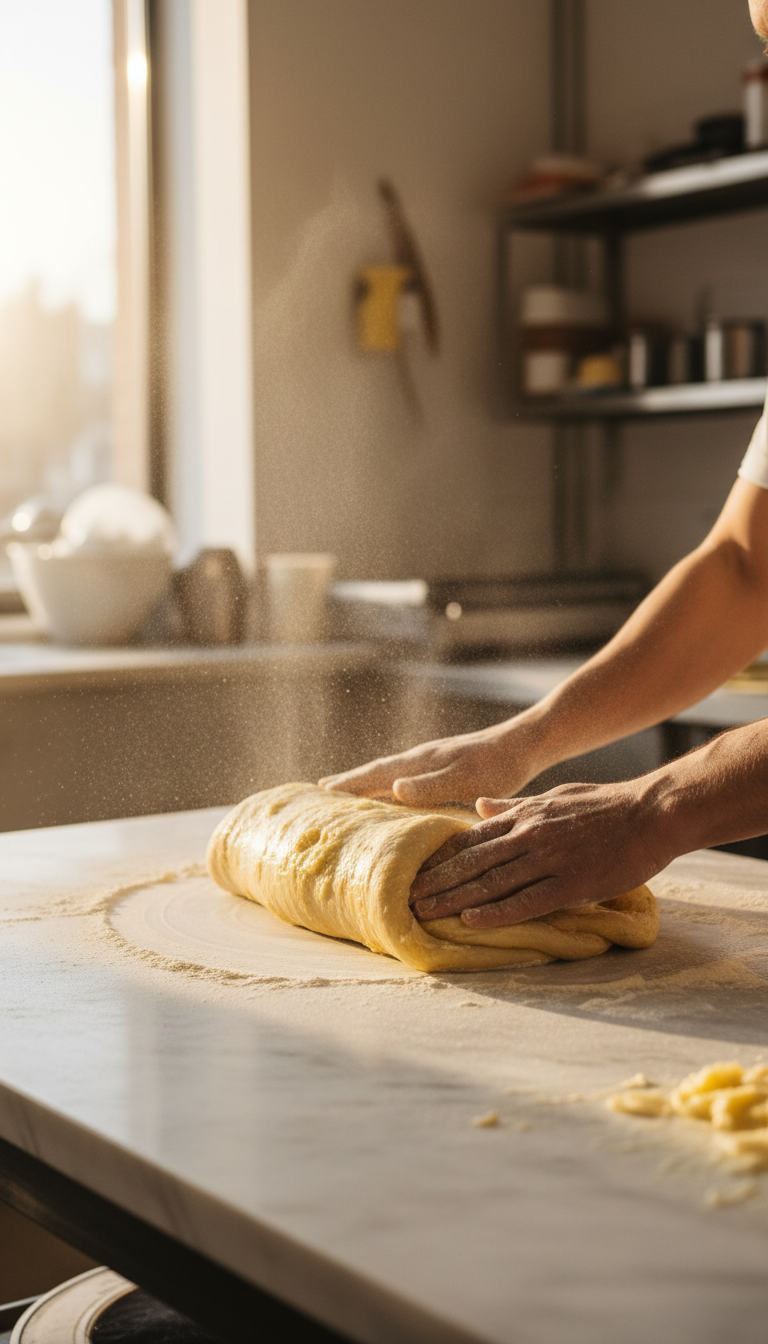
Myth 1: Baking Is Purely an Art
While creativity is a vital part of baking, it's important to understand that it's not solely about artistic expression. Baking involves precise measurements and chemical reactions. Using too much or too little of certain ingredients can drastically affect the outcome of your baked goods. Understanding the science behind ingredients and their interactions can help you achieve consistent results.
Myth 2: You Must Sift Flour Every Time
Many recipes call for sifted flour, but it's not always necessary. Sifting was essential when flour quality was less consistent and often contained impurities. Nowadays, flour is typically pre-sifted and of high quality. However, sifting can still be beneficial if you're looking to aerate your flour or remove lumps.
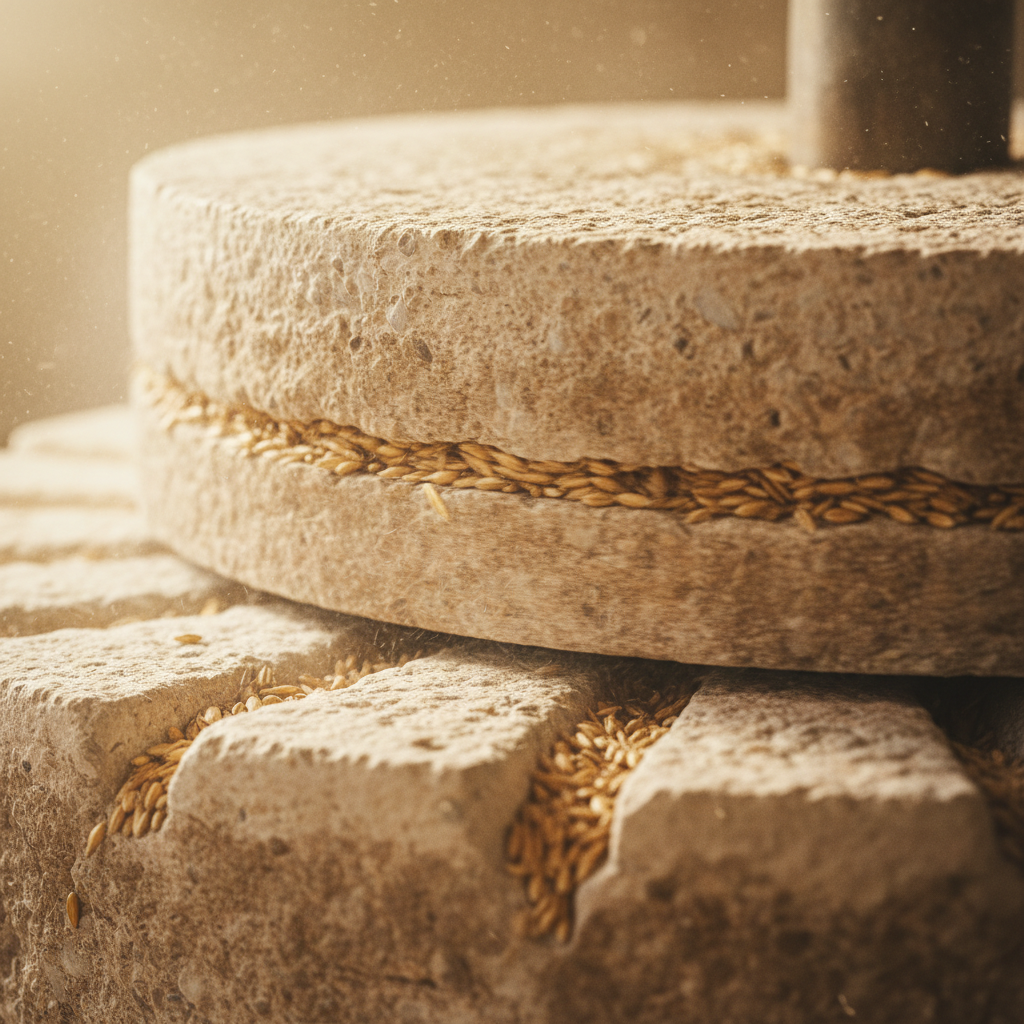
Common Misconceptions About Ingredients
Ingredients are the backbone of any recipe, but misconceptions about them can lead to baking blunders. Let's clarify some of these misunderstandings.
Myth 3: Fresh Eggs Are Always Best for Baking
While fresh eggs are excellent for cooking, slightly older eggs can be better for baking. They tend to whip up better and provide more volume, especially in recipes like meringues or soufflés. So, don't shy away from using eggs that are a week or two old for your baking needs.
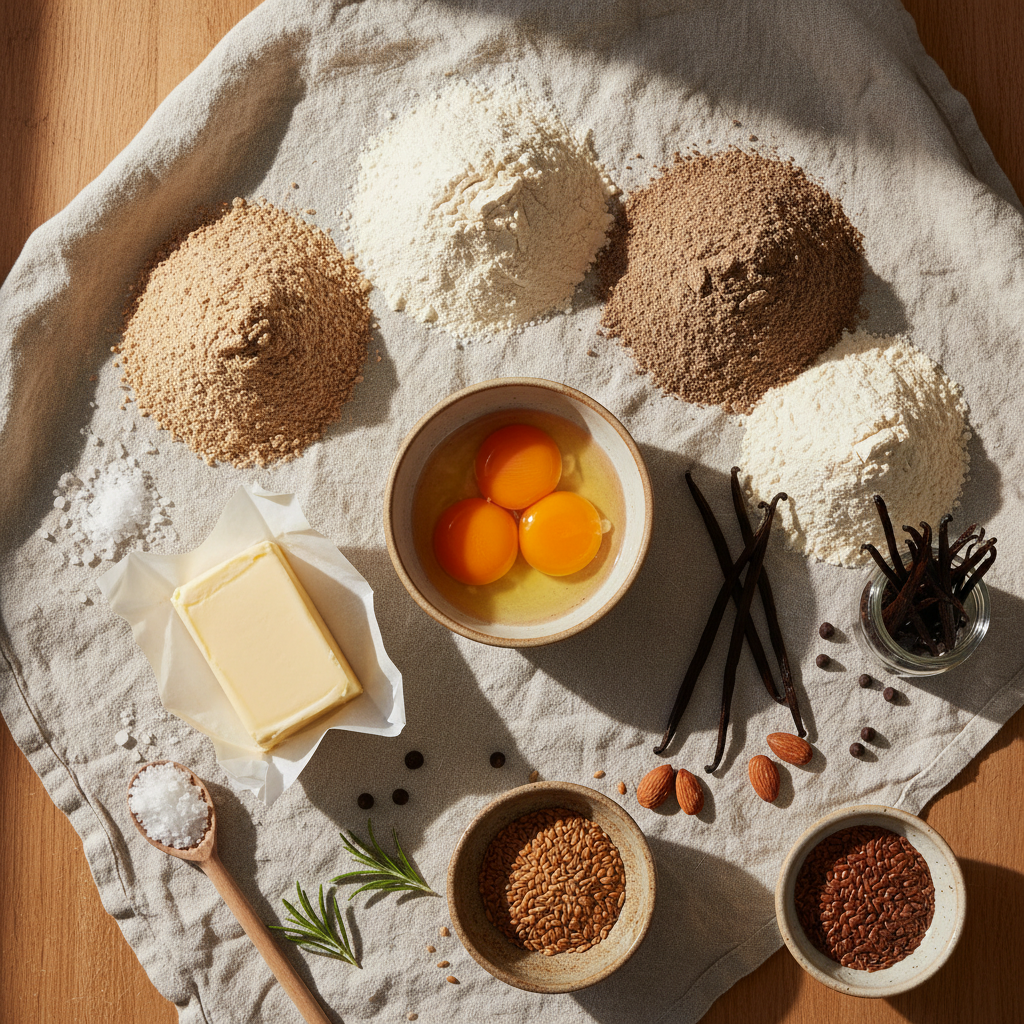
Myth 4: You Can Substitute Baking Powder and Baking Soda
Baking powder and baking soda are not interchangeable. Baking soda is a base that requires an acid to activate, while baking powder contains both an acid and a base, allowing it to react on its own. Using one in place of the other can lead to flat or overly dense baked goods. Always follow the recipe's instructions regarding these leavening agents.
Temperature and Technique Myths
Temperature and technique are crucial in baking, yet many myths surround these aspects as well. Let's tackle a few.
Myth 5: Room Temperature Ingredients Aren't Important
Room temperature ingredients blend more uniformly, creating a smoother batter. Cold ingredients can lead to an uneven texture or even curdling in mixtures like butter and sugar. Allowing your ingredients to reach room temperature can significantly enhance the quality of your baked goods.
Myth 6: Opening the Oven Door Doesn't Affect Baking
It's tempting to peek inside the oven, but each time you open the door, the temperature drops, which can affect the rise and texture of your baked goods. It's best to use the oven light and window to check on progress, particularly with delicate items like cakes and soufflés.
By understanding and debunking these common baking myths, you can enhance your skills and enjoy more consistent and delicious results. Remember, baking is a balance of art and science, so don't shy away from experimenting while keeping these facts in mind. Happy baking!